
Toy manufacturing in China runs on a predictable annual rhythm, and importers who ignore it pay for it in delays or defects. The working rule: book production three to five months before the goods need to be on your shelves, and add two to four weeks if the order will be produced in the run-up to Chinese New Year or shipped between August and October. Factories do not close without warning — they fill up gradually, and available capacity is the first thing to run out.
What actually happens at Chinese New Year?
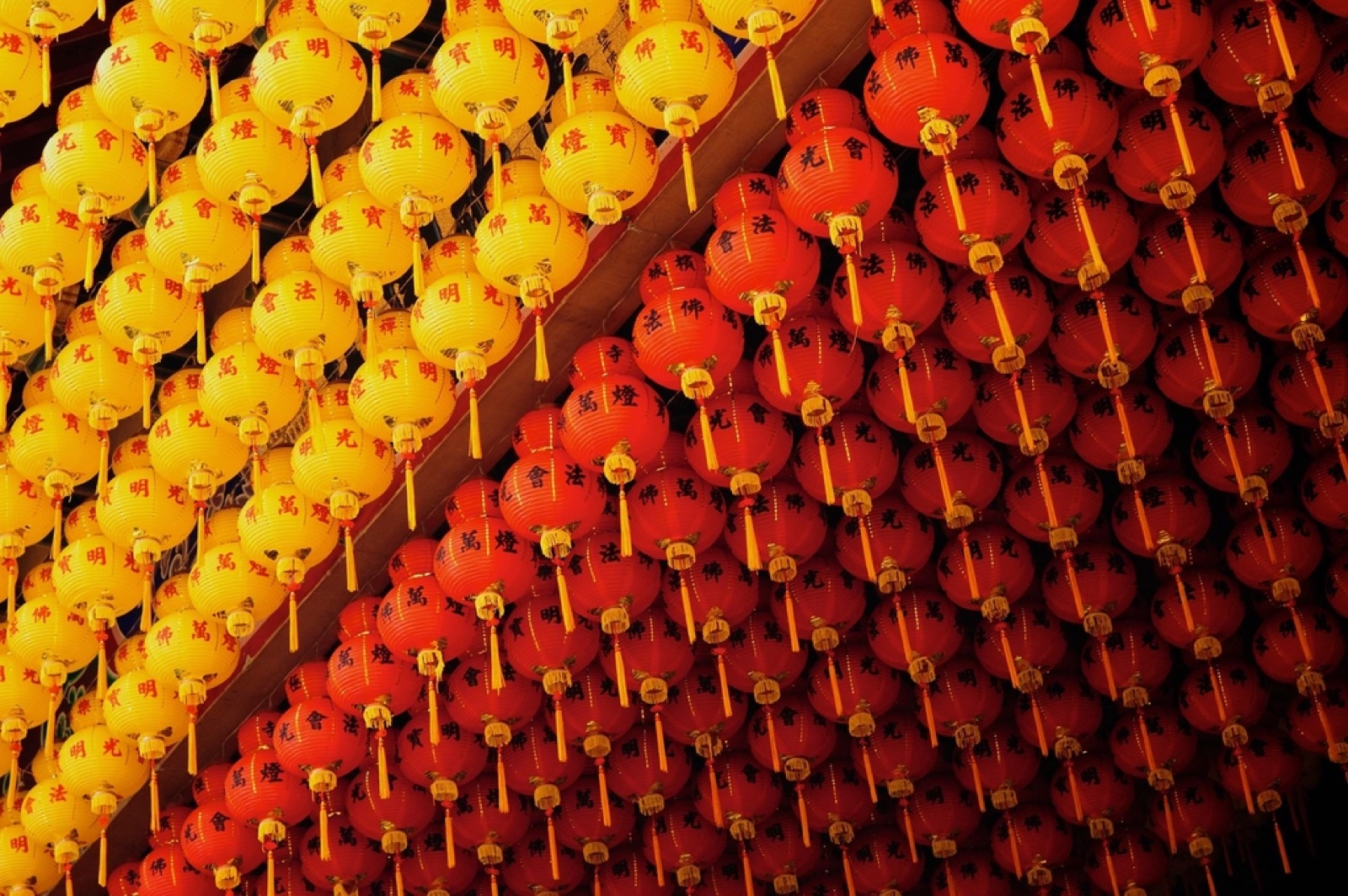
Chinese New Year is a lunar holiday that moves between late January and late February. The official public holiday is about one week, but industrial reality is different: most toy factories in Guangdong and Zhejiang stop for two to four weeks because migrant workers travel home to their home provinces. Sub-suppliers — plastics, printing, cartons, batteries — usually stop earlier than the assembly factory and sometimes restart later.
The bigger risk is not the shutdown itself but the three to four weeks before it. Orders pile up, lines run at maximum, temporary workers are brought in, and finishing and in-house checks get compressed. This window historically produces the highest rate of printing defects, weak stitching on plush, and badly applied warning labels. If you must produce in that window, insist on a pre-shipment inspection with AQL sampling and do not waive it for schedule reasons.
How long does it take factories to restart?
A factory does not return to full capacity on day one. A share of the workforce never comes back and is replaced by new hires who must be trained on the moulds and lines. Expect three to six weeks of reduced output and a temporary rise in defect rates on complex products. The upside is that the weeks after recovery — late March through June — are the best sourcing window of the year: capacity is free, factories care about new customers, and OEM/ODM sample development moves quickly.
Which trade fairs matter, and when?
Three fixtures drive product discovery. Spielwarenmesse in Nuremberg, early in the year, sets European design direction for the coming season. The Hong Kong Toys and Games Fair in January is strongly export-oriented and easy to reach for buyers who do not want a mainland visa. The Canton Fair in Guangzhou — spring session in April, autumn session in October, with toys normally shown in the final phase of each session — is the widest by sheer number of manufacturers. Treat fairs as discovery and shortlisting, not as the place to close a deal: collect samples and cards, then verify and audit the factory afterwards.
Why does everything have to ship before August?
Western Q4 — Black Friday and Christmas — pulls a global freight peak that runs roughly from August to October. In that window container rates rise, rolled bookings become common, and LCL space gets scarce and slow. If you are selling in December, your container should leave Yantian, Nansha or Ningbo before the end of August with a safety margin. Add China's National Day holiday in the first week of October: a short stop, but it thickens congestion on both sides of it.
Ramadan and Eid: the second calendar for Gulf buyers
For importers in the Gulf and North Africa there are two peaks that have nothing to do with Christmas: Ramadan and the two Eids, plus back-to-school. The Hijri calendar moves roughly eleven days earlier each Gregorian year, so never plan on "the same month as last year". Work backwards from the Eid date: retail sell-through starts four to six weeks before Eid, arrival at Jebel Ali, Jeddah or Dammam should be three to five weeks before that, and production four to eight weeks before arrival. In years when Eid falls close to Chinese New Year the schedule becomes very tight and the order must move earlier.
The importer's year at a glance
| Period | Factory situation | What you should be doing |
|---|---|---|
| January – February | Peak pressure, then CNY shutdown | Do not start new production; finish inspections and ship before closure; attend Hong Kong and Nuremberg fairs |
| March | Slow restart, new workers | Lock specifications, request samples, expect the first batch to slip |
| April – June | Best capacity of the year | Canton Fair spring session; order back-to-school lines; develop OEM products |
| July – August | Congestion building | Last safe window to ship Q4 goods; book containers early |
| September – October | Freight peak plus National Day | Canton Fair autumn session; order Ramadan/Eid goods; watch for rolled bookings |
| November – December | Schedules filling before CNY | Place post-holiday orders now; add buffer time for inspection |
Quick lead-time rules
- Christmas goods: order April–June, ship before the end of August.
- Gulf back-to-school: order March–May.
- Eid goods: count backwards from the Eid date and order at least five months ahead.
- Any new item needing a mould or custom packaging: add four to eight weeks for sampling and approval.
- Toys with lithium batteries: allow extra time for UN38.3 documentation and for booking a carrier that accepts them.
At The China Toys we help importers work to a yearly plan rather than order by order: booking capacity before the Chinese New Year squeeze, timing pre-shipment inspection correctly, and consolidating goods from several factories into one container ahead of the freight peak. You can reach us at [email protected] or +8617702000155, or at Office 812-B99, 8th Floor, Annex Building, No. 188 Linhe Middle Road, Tianhe District, Guangzhou City, Guangdong Province, China.
Frequently asked questions
How long do Chinese toy factories close for Chinese New Year?
The official public holiday is about a week, but toy factories typically stop for two to four weeks because migrant staff travel home. Add three to six weeks of reduced output after the restart while new workers are trained, so the practical disruption is over a month.
Is quality really worse before Chinese New Year?
The risk is genuinely higher. Lines run flat out with temporary labour and delivery pressure, which shows up as printing, stitching and labelling defects. It does not mean you should refuse to produce then — it means a pre-shipment inspection with AQL sampling becomes non-negotiable.
When must Christmas stock leave China?
In most cases the container should sail before the end of August. After that you are inside the global peak season, when rates climb and bookings are frequently rolled to a later vessel, which can cost you the selling window entirely.
Do I need to attend the Canton Fair in person?
It is useful for discovering products and comparing manufacturers face to face, but it is not essential. Many importers rely on an agent based in Guangzhou to walk the fair and the factories on their behalf and send back samples and reports.