Whether importing toys from China is worth it comes down to volume before anything else. Toys are a light but bulky commodity: they fill a container's space long before they come anywhere near its weight limit, and most of the fixed costs of importing — freight, customs clearance, certification and inspection — are charged per shipment, not per piece. The larger the quantity, the smaller each piece's share of those costs, and the reverse holds just as firmly: a very small quantity can leave the imported piece costing more than the same toy sells for on your local market.
Why volume, not weight, decides feasibility
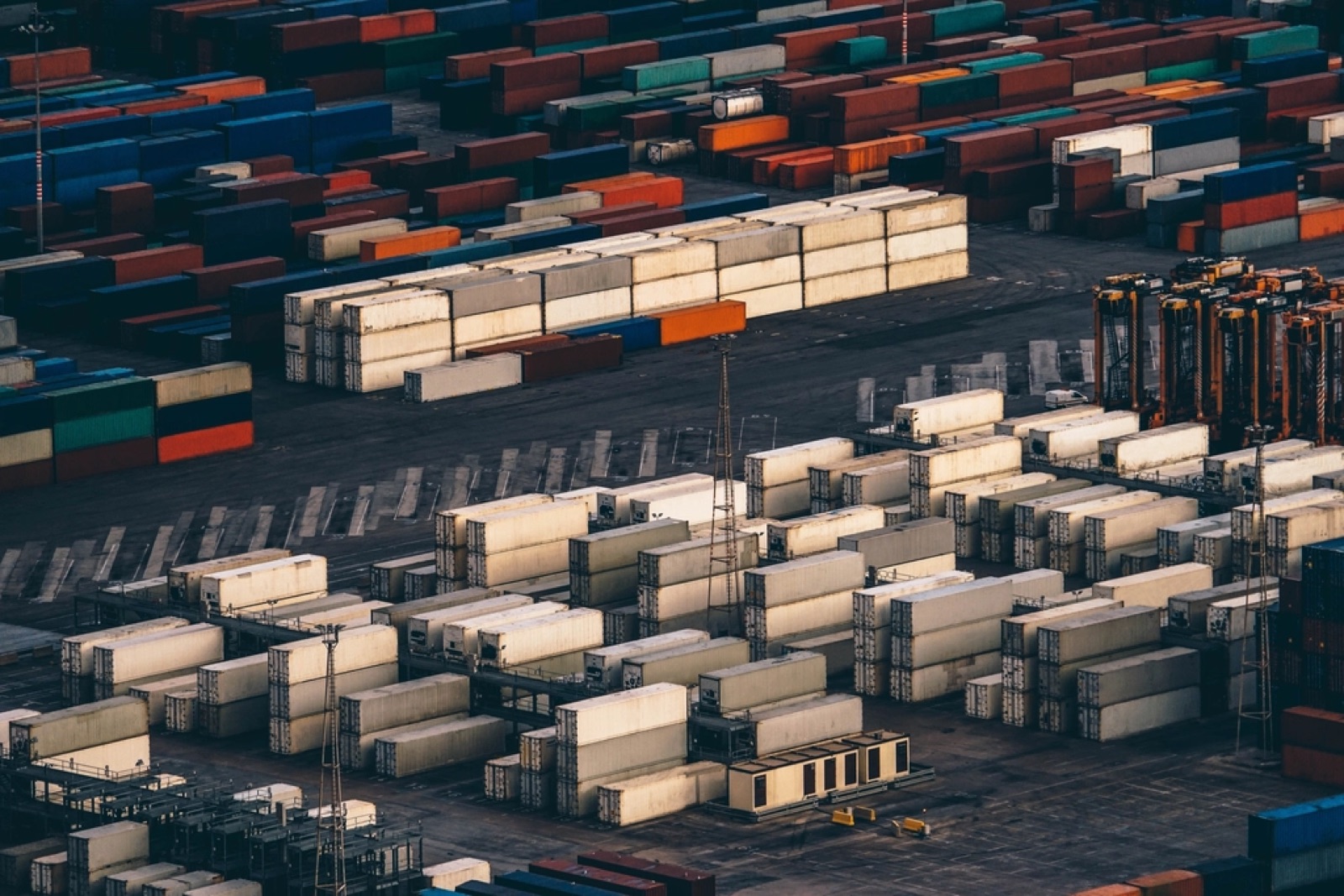
In freight, what counts is the space a product occupies, measured in cubic metres (CBM), not kilograms alone. Toys — plush especially, along with hollow plastic items and garden toys — take up a great deal of space for very little weight. The practical result is that the container fills up completely while its weight is still well below the permitted limit.
These approximate capacities for standard containers give you a sense of the space you are working with:
| Container type | Approximate capacity | What it means for toys |
|---|---|---|
| 20ft | About 28 CBM | Fills up by volume before it reaches half its weight allowance |
| 40ft | About 58 CBM | The most common choice for toy shipments |
| 40ft High Cube (40HQ) | About 68 CBM | Best suited to light, bulky cargo such as toys |
This is why packing efficiency is not a cosmetic detail: a smarter carton design saves cubic metres, and the cubic metres you save mean extra pieces inside the same container at the same cost.
What is the minimum order quantity?
There is no single figure that works for every toy, and anyone who quotes you one before knowing your product has oversimplified. The minimum is set by how the toy is made:
- Toys from an existing mould in a standard colour: the minimum is relatively low, because the factory takes on no new set-up cost.
- Toys needing a new mould or a custom design: the minimum is higher, because the cost of the mould is spread across the number of pieces.
- Printed toys or toys in packaging carrying your name: the minimum is tied to printing plates and material batches.
- Plush toys: these depend on fabric and filling batches, so the minimum is measured by colour and material, not by design alone.
More important than any bare number is that the minimum becomes negotiable once you work with a wide factory network instead of a single plant: what one factory turns down as a minimum, another may accept within a production run already under way. We work with quantities that fit your needs, and we tell you plainly when the quantity you have in mind is too small to be worth it.
What types of toys are available?
China genuinely produces hundreds of thousands of toy items, so the practical question is not "what exists?" but "which of it suits your market?". The categories in broadest demand include educational toys, STEM toys and robotics, remote-control toys, girls' dolls, plush toys, building blocks, garden and outdoor toys, electronic toys, cars and models, infant and baby toys, and water and summer toys.
Our job is to get you to the exact item you want out of that mass, not simply to show you what we happen to have. You tell us the age group, the target market and the price level you compete at, and we come back with options from the right factories within a few hours or days.
When is buying on the local market better?
This is a point we make openly even though it may steer you away from importing: if your quantity is very small, buying from a local distributor is usually cheaper, faster and less risky.
The reason is that the fixed costs of importing barely change with the size of the shipment. Customs clearance fees, compliance procedures, pre-shipment inspection and port handling are paid at roughly the same rate whether you import a single carton or a full container. Divide those costs across a handful of pieces and the per-piece share climbs high enough to swallow the very price gap you were chasing in the first place. Add to that the fact that the local distributor has already paid those costs on your behalf and spread them across a large shipment of their own.
The practical rule: importing starts to make sense when your quantity is large enough to spread the fixed costs sensibly, or when you need a specification, a design or a brand that simply is not available on your local market.
How do large quantities actually reduce cost?
The saving does not come from a discount on the factory price alone, but from five items working together:
- The factory unit price: it falls as order size grows, because the factory spreads its production line set-up over more pieces.
- Ocean freight: the cost per cubic metre inside a full container is lower than in consolidated freight, and the extra handling charges that come with part-container shipping disappear with it.
- Certification and testing: a test report is issued for the product, not for the piece, so the larger the quantity the smaller each piece's share of it.
- Pre-shipment inspection: the inspector's visit costs much the same whatever the size of the batch.
- Clearance and paperwork: most of it is charged per shipment, not per item.
The mixed container: the most practical solution
Many buyers assume that a full container means thousands of pieces of a single item, and that is not the case. One container can be assembled from multiple items in differing quantities for each — dolls, educational toys, cars, plush and outdoor toys in the same shipment.
This approach achieves three things at once: full-container economics, an inventory mix that suits your shelves, and less risk than betting on a single item that may not sell. We consolidate goods from several factories in our warehouses, repack and organise them, and then ship them in a single container.
What if you have your own brand?
If you have your own brand, we can supply the toys under it and in your packaging: your logo on the product and the box, a carton design that matches your identity, and specifications you set yourself. And if you do not have a brand yet, you can start with ready-made products from the factory catalogue and move to your own brand as your volume grows.
One important note: once a toy carries your brand, you become the party answerable to the regulators in your market for its compliance, and the certification burden shifts to you. This is not an obstacle, but it is an item that belongs in the feasibility calculation from the start rather than being discovered at the port.
How we help you run the numbers
We have been supplying toys from China for more than 15 years, we work with a network of more than 500 audited factories, and we ship more than 500 containers a year to importers in more than 40 countries. That network is what allows us to put several minimum-order options in front of you instead of a single figure, and to build your container from several factories.
Tell us the items you want, the quantity you have in mind and your port of arrival, and we will come back with a clear picture: is the quantity worth it? What suits it better — consolidated freight or a full container? Which items can be combined to fill the container efficiently? And if your quantity is not worth importing, we will tell you so plainly.
Get in touch: email [email protected] · WhatsApp +8617702000155 · WeChat YOSRI 尤斯里
Frequently asked questions
Can I import a small quantity to test the market?
Testing a market with a limited quantity before scaling up is a sound approach, and we handle it through consolidated shipping (LCL). But we say it plainly: we do not handle very small quantities — that is, orders that come close to retail purchase size, or a few dozen pieces. The reason is that the fixed costs of any shipment — clearance, compliance, inspection and handling — do not fall as the quantity falls, so each piece's share rises to the point where the deal stops being worth it for you before it stops being worth it for us.
If your need is on that scale, the honest thing is to point you to a local distributor. And if you genuinely want to test the market, the practical route is to start with a trial quantity that makes commercial sense, or to combine several items in one shipment so that you reach the point where the cost becomes reasonable. Tell us what you have in mind and we will give you a straight answer before you spend anything.
Does a full container mean only one item?
No. A container can be put together from multiple items in different quantities for each, from one factory or from several. This is how most retailers and distributors do it.
What makes toys different from other goods in shipping?
Their low density. Toys use up a container's volume before its weight, which makes the cubic metre the unit of measurement that drives cost. That is why packing efficiency and carton design have a direct effect on the landed cost per piece.
How do I know whether my quantity is worth it before I start?
Work out the fixed costs of the whole shipment — freight, clearance, compliance and inspection — then divide them by the number of pieces, add the result to the factory price, and compare the total with what you would pay buying on your local market. If the gap is not wide enough to cover your time and your risk, the quantity is not worth it yet. We are glad to help you run that calculation for your specific product.