STEM and educational toys are the category adults buy for children because of the learning value, not because of a cartoon licence. That changes how you should source them: the purchase decision rests on precise age banding, a clearly stated learning benefit on the box, replayability and material quality. Chinese factories produce this category at scale in Guangdong and Zhejiang, but the difference between a strong supplier and a weak one shows up in instructional design and consistency, not in raw manufacturing capability.
What does the STEM and educational category cover?
The category is broader than the name suggests, and each sub-group behaves differently in production:
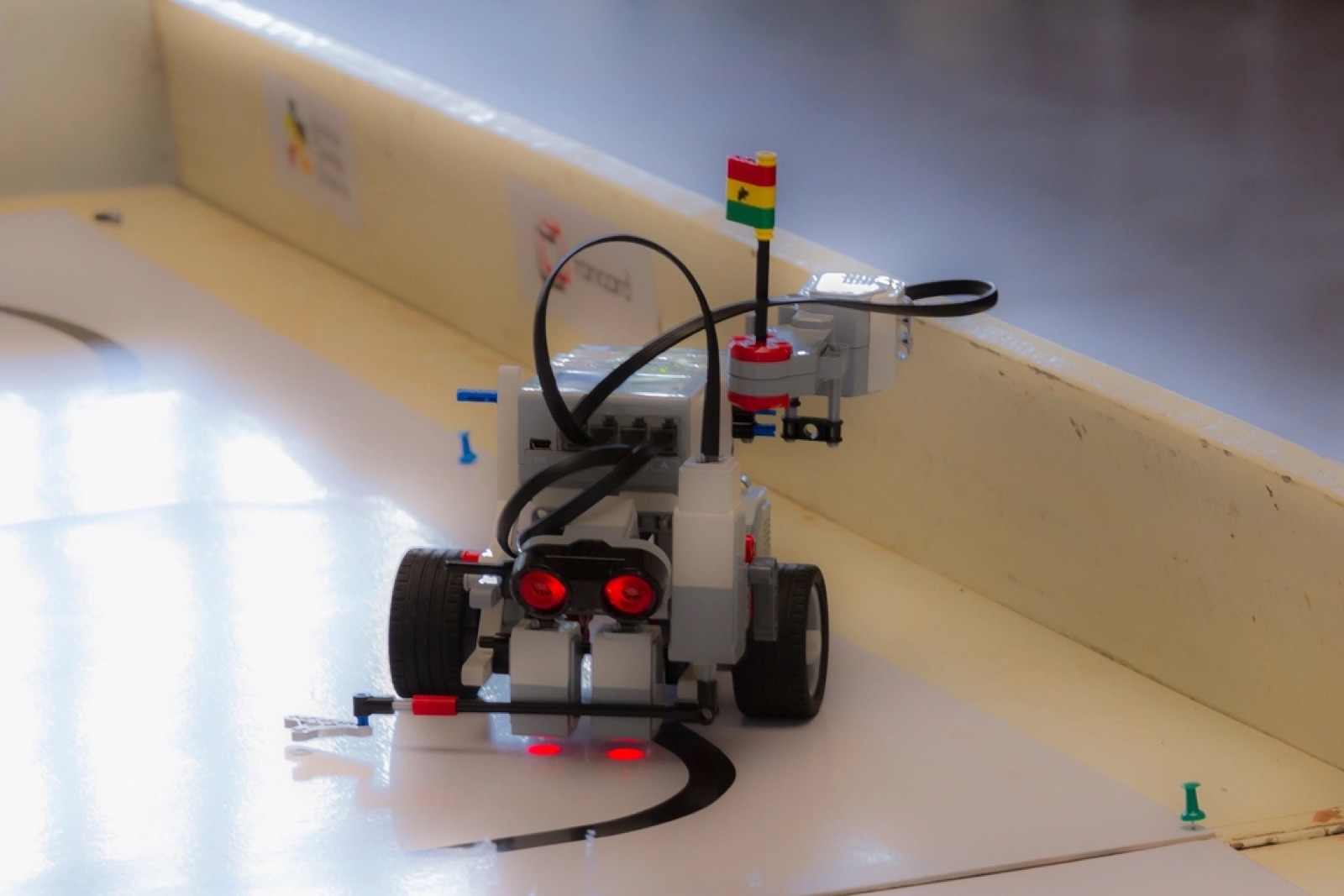
- Robotics kits: buildable robots with motors, sensors and app control.
- Coding toys: card-based coding, floor robots and screen-free logic games.
- Science kits: safe chemistry, microscopes, astronomy, crystal growing, solar power.
- Magnetic tiles: translucent plastic or wooden panels with embedded magnets.
- Construction sets: compatible bricks, engineering frames and mechanical models.
- Montessori-style wooden toys: sorting boards, stacking rings and early sensory activities.
What makes an educational toy commercially strong?
Educational value alone does not sell. The products that work combine four things.
Precise age banding. A range such as "3 to 12 years" looks attractive but destroys trust, because parents know one product cannot suit both ends. A narrow, honest band converts better and generates fewer returns.
Curriculum tie-in. Anchoring the product to a recognised concept — gears, circuits, fractions, command sequencing — gives the buyer a reason to choose it and opens the school channel.
Replayability. A kit built once is forgotten. Kits that allow multiple outcomes, or that scale in difficulty, earn better reviews and repeat purchases within the same brand.
Parent-facing packaging. The front of the box must answer within seconds: what age, what skill, how many pieces, batteries required or not. For Gulf and North African markets, bilingual artwork should be planned from the start rather than added later as a sticker.
Where are these toys manufactured in China?
| Product type | Typical manufacturing cluster | Material considerations |
|---|---|---|
| Robotics and coding toys | Shenzhen and the Pearl River Delta | PCBs, batteries, app maintenance |
| Plastic construction sets | Shantou / Chenghai | Mould precision, colour consistency |
| Magnetic tiles | Guangdong and Zhejiang | Magnet retention, impact resistance |
| Wooden and Montessori toys | Yunhe (Zhejiang) and nearby areas | Wood grade, coatings, edges, moisture |
| Science kits | Ningbo, Yiwu, Guangzhou | Chemical and glass component safety |
Most of this production ships through Shenzhen/Yantian, Ningbo, Guangzhou/Nansha or Shanghai. Because a serious STEM range usually comes from more than one factory, multi-factory consolidation into a single container is an important tool in this category: it lowers freight cost per unit and lets one inspection cover the whole shipment.
What certification applies to STEM toys?
STEM products combine several risk types in one item, so standards must be fixed before production, not discovered afterwards:
- EN 71 for the European market, notably mechanical and physical properties, flammability and element migration.
- ASTM F963 and the US federal framework including CPSIA requirements.
- GSO/SASO requirements for Gulf markets, with country-specific conformity procedures.
- Small parts: magnets, screws and small components need dedicated testing and clear age warnings.
- Electronics and batteries: secured battery compartments, plus UN38.3 documentation and an MSDS where lithium cells are used.
Magnets deserve particular attention. A strong magnet that separates from a building tile is a serious ingestion hazard, and this is assessed in inspection through pull, torque and drop testing. Exact requirements vary by market and by the edition of the standard in force, so write them into the product specification before production starts and confirm the destination-market procedure with your local conformity body.
How does the category behave in retail?
STEM toys carry a higher perceived value than general play items because the buyer treats them as an educational investment. In practice this means better tolerance of retail margin, higher sensitivity to packaging quality, and clear seasonality: a year-end gifting peak, a second back-to-school peak, and additional demand around local gifting seasons. The category also opens a separate B2B channel — schools, kindergartens, activity centres and libraries — which buys in repeat volumes and cares more about durability and spare-part availability than about shelf presentation.
- Order a functional sample and test it with children in the target age band.
- Fix the exact piece list and verify it during AQL pre-shipment inspection.
- Treat the instruction manual as part of the product; require a clear translated version.
- Plan a spare-parts policy for small losable components.
- Write the required certifications into the purchase order before production.
The China Toys has worked in this category for more than 15 years through a network of 500+ vetted factories, coordinating electronics, wooden and plastic suppliers inside a single order in quantities that fit your needs, with pre-shipment inspection and container consolidation. Contact [email protected] · +8617702000155 · Office 812-B99, 8th Floor, Annex Building, No. 188 Linhe Middle Road, Tianhe District, Guangzhou City, Guangdong Province, China.
Frequently asked questions
Are STEM toys harder to source than ordinary toys?
Usually yes, because they combine several materials and risk types in one product and often include an electronic or software element plus printed instructions. In exchange, they are less exposed to direct price competition than generic play items.
Can I private label in this category?
Yes. Most factories accept OEM/ODM at the level of packaging, language, colours and kit contents. Custom tooling or custom software is also possible but requires a larger volume commitment and a longer development timeline.
What is the most important inspection point for educational toys?
Completeness of the piece list, plus magnet and small-part pull testing, battery compartment security and instruction clarity. A kit missing one component is treated by the end customer as a defective product, not a minor error.
When should orders be placed for the season?
It depends on production lead time and sea transit to your market, but the practical rule is to work backwards from the on-shelf date and leave a buffer for retesting or corrections. Ask your supplier for a written timeline before committing.