
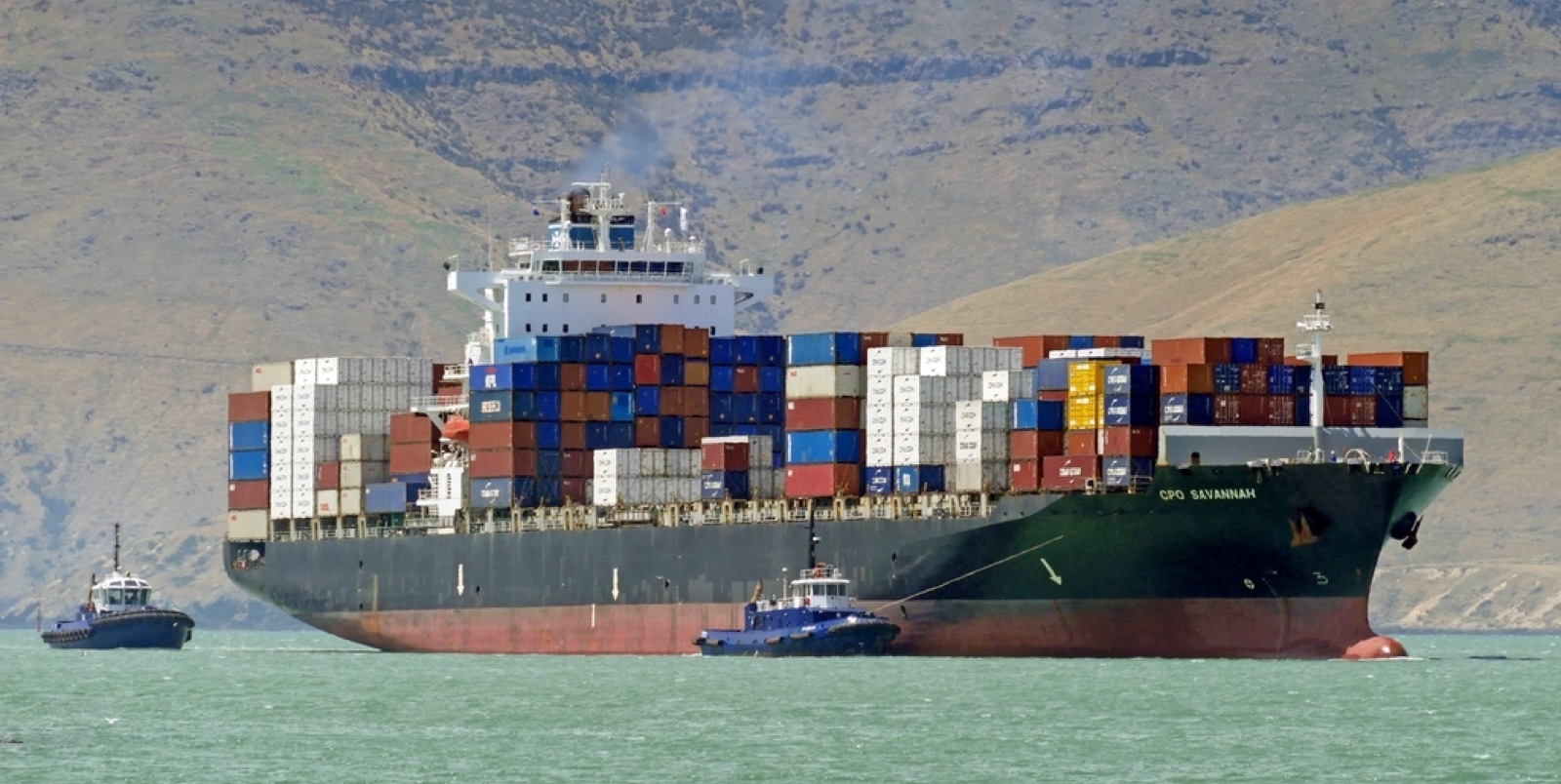
Shipping toys from China typically takes 60 to 110 days from order confirmation to goods on your warehouse floor. Ocean transit is only one slice of that. Production usually consumes 30–45 days, booking and inland haulage to the port cut-off another 7–12 days, the sea leg 14–40 days depending on destination, and customs clearance plus final delivery a further 5–12 days. The most common mistake new importers make is planning around the ocean transit figure alone and then discovering their season has passed.
What are the real stages of the timeline?
Every toy shipment passes through seven sequential stages. A delay in any one of them pushes everything after it:
- Production lead time: 30–45 days for standard catalogue items; 45–70 days for customised products, new tooling, or your own branded packaging.
- Pre-shipment inspection: 2–4 days, plus re-inspection time if the lot fails the agreed AQL sampling level.
- Booking with the carrier: 7–14 days before sailing in a normal month; 3–4 weeks ahead in peak season.
- Inland haulage: 1–3 days from the factory in Guangdong, Zhejiang or Shandong to the load port.
- Port cut-off: the container must be gated in 2–4 days before vessel departure, with documentation cut-off usually a day or two earlier.
- Ocean transit: see the table below.
- Clearance and delivery: 3–7 days at well-run Gulf ports; 7–15 days where procedures are slower or additional conformity certificates are demanded.
How long is the ocean transit from Chinese ports?
The figures below are indicative port-to-port ranges for direct or single-transhipment services. They are not guarantees. Real schedules change weekly, vary by carrier and service string, and must be confirmed at the moment of booking.
| Origin | Destination | Indicative transit (days) | Notes |
|---|---|---|---|
| Shenzhen / Yantian | Jebel Ali (UAE) | 14–20 | Several direct services weekly |
| Ningbo / Shanghai | Jebel Ali (UAE) | 18–26 | Often with an intermediate call |
| Shenzhen / Guangzhou (Nansha) | Jeddah (KSA) | 16–24 | Red Sea routing |
| Shenzhen / Ningbo | Dammam (KSA) | 20–30 | Commonly transhipped at Jebel Ali or Salalah |
| Shenzhen / Shanghai | Hamad (Qatar) | 20–30 | Transhipment on most services |
| Shenzhen / Ningbo | Alexandria (Egypt) | 22–32 | Sensitive to Suez congestion |
| Shenzhen / Ningbo | Casablanca (Morocco) | 26–38 | Usually transhipped in the Mediterranean |
| Main Chinese ports | Valencia / Genoa | 26–35 | West Mediterranean |
| Main Chinese ports | Rotterdam / Hamburg | 30–42 | North Europe |
| Main Chinese ports | Santos (Brazil) | 35–50 | Nearly always transhipped |
| Main Chinese ports | Manzanillo / Callao | 30–45 | Latin America west coast |
| Chinese airports | Worldwide air freight | 3–8 | Door to door, for samples and urgent orders |
Why do schedules slip?
Four factors explain most delays in the toy trade:
- Chinese New Year. Factories close for two to four weeks. The closure is preceded by a booking rush and followed by roughly a month of gradual workforce return. An order not finished before the holiday is effectively 6–8 weeks late.
- Peak season. July through October is when the world ships year-end holiday toys. Space tightens, rates move, and bookings get rolled to a later vessel.
- Blank sailings. Carriers cancel scheduled departures to manage capacity. A blanked sailing costs your cargo a full week or more.
- Transhipment. Every vessel-to-vessel move adds 3–10 days and one more chance to be left behind. Direct services often cost more but are far more predictable.
Less frequent but real causes include equipment shortages, port labour action, seasonal weather closures, and routing changes around the Cape of Good Hope when Red Sea conditions shift. None of these are within a supplier's control, which is why buffer time is a planning tool, not an admission of weakness.
What does the toy category add to the timeline?
Toys carry compliance steps that many other categories do not. Testing to EN 71 for the EU, ASTM F963 and CPSIA for the United States, or GSO/SASO requirements for Saudi Arabia and the Gulf must be scheduled during or immediately after production, not after the container is booked. Laboratory turnaround for a full test report is commonly 5–12 working days. Toys containing lithium batteries additionally need a UN38.3 test summary and a safety data sheet before a carrier will accept the booking — missing paperwork here stops a shipment dead.
How do you protect your schedule?
- Book vessel space as soon as the production completion date is confirmed, not after goods are ready.
- Build in at least 15 days of buffer for any season-linked shipment.
- Schedule pre-shipment inspection early enough that rework still fits before cut-off.
- Have the Bill of Lading, Commercial Invoice, Packing List and Certificate of Origin prepared before sailing, not after.
- Confirm destination requirements — conformity certificates, labelling language, importer details — with your customs broker before production ends.
Frequently asked questions
Are these transit times guaranteed?
No. Every figure in this article is an indicative port-to-port range, not a contractual commitment. Carriers publish schedules that change weekly, and the number excludes customs clearance and inland delivery. Always confirm the actual routing and estimated arrival at the time of booking.
When should I place an order for the year-end season?
Start sampling and negotiation in March or April and confirm the order by May or June at the latest. That leaves room for production, testing, inspection and shipping before the August–September space crunch, and still allows a re-run if something fails inspection.
Is air freight a practical alternative for toys?
Air freight makes sense for samples, spare parts, small high-value items and orders that would otherwise miss their season entirely. Toys are bulky and low-density, so air charges are calculated on volumetric weight and become uneconomic for full orders very quickly.
What happens to my schedule if inspection fails?
Rework and re-inspection typically add 5–15 days, and that is often enough to miss the booked sailing and wait for the next vessel. This is precisely why inspection should be scheduled with several days of margin before the port cut-off.
At The China Toys we build the timeline backwards from your required arrival date: selecting the right factory from a network of 500+ vetted factories, locking in pre-shipment inspection, booking space early, and consolidating cargo where it saves a week. With more than 15 years of experience and 500+ containers shipped per year for importers in 40+ countries, we plan around the delays rather than reporting them afterwards. Reach us at [email protected] or +8617702000155 — Office 812-B99, 8th Floor, Annex Building, No. 188 Linhe Middle Road, Tianhe District, Guangzhou City, Guangdong Province, China.