Battery-powered toys that contain lithium cells are shipped as dangerous goods in most cases, because lithium cells can enter thermal runaway and ignite. In practice this means every electronic toy shipment needs three things before a booking is confirmed: a UN38.3 test summary from the cell or battery manufacturer, a safety data sheet (MSDS/SDS), and packaging and marking that match how the battery is packed. The exact requirements depend on the carrier, the transport mode and the regulations in force on the shipping date, so they must always be confirmed with your freight forwarder before the booking is fixed.
Why are lithium batteries treated as dangerous goods?
Lithium-ion and lithium-metal cells store a large amount of energy in a small volume. An internal short circuit, mechanical damage or exposure to heat can trigger thermal runaway, producing a fire that is extremely difficult to extinguish inside a container or an aircraft hold. For that reason international transport rules place these cells in Class 9 dangerous goods, with dedicated UN numbers that differ by battery chemistry and by how the battery is packed.
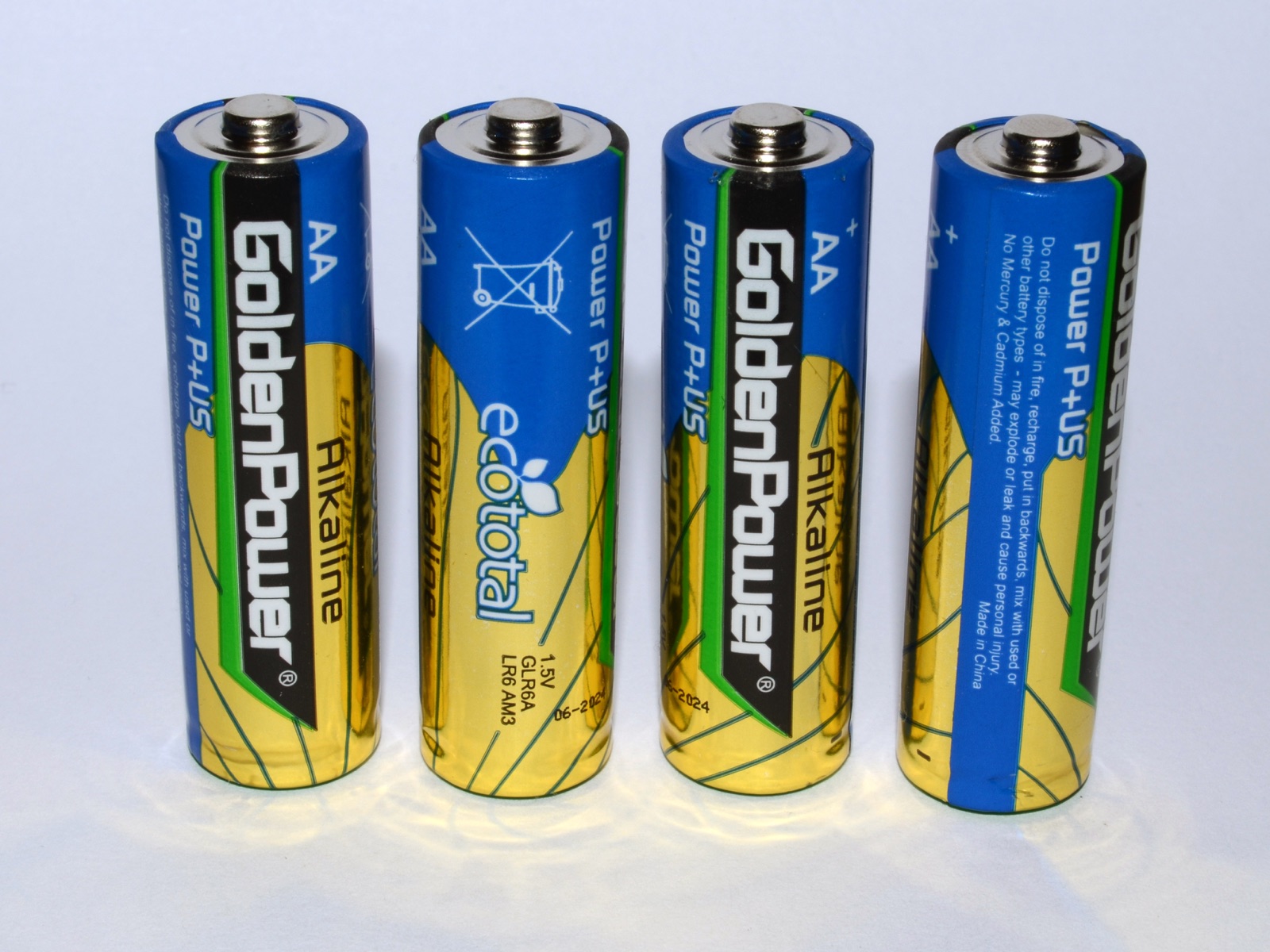
The affected product range is wider than many importers expect: remote-control cars, hobby drones, educational robots, Bluetooth toys, reading pens, digital drawing tablets and dolls with rechargeable packs. Toys that run on ordinary non-rechargeable alkaline AA or AAA cells are generally not handled as dangerous goods, but they are still subject to toy safety requirements.
What is UN38.3 and what is the test summary?
UN38.3 is an internationally recognised series of tests applied to cells and battery packs. It covers altitude simulation, thermal cycling, vibration, shock, external short circuit, impact or crush, overcharge and forced discharge. A battery that has not passed this series cannot be moved compliantly in international transport.
In addition to the underlying test report, current rules require a UN38.3 Test Summary: a standardised document listing the manufacturer, the cell or battery type, the rated energy, and the tests passed. Ask your factory for this document at the sample stage, not at the booking stage. Collecting it late is the single most common cause of delay for electronic toy shipments.
What is the difference between installed, packed with, and shipped alone?
Regulations distinguish three configurations, and each carries very different requirements:
- Contained in equipment: the battery is fitted inside the toy. Usually the least restricted case, provided accidental activation is prevented and terminals are protected.
- Packed with equipment: the battery sits in the same retail or export carton but outside the toy. Stricter marking, quantity and packaging conditions apply.
- Batteries shipped alone: spares or separately sold packs. The most restricted case, and many air carriers refuse loose lithium batteries on passenger aircraft entirely.
Changing configuration late in production changes the paperwork. If a factory decides to move a spare battery from inside the toy into a side compartment of the colour box, the shipment may need different marking and a different declaration.
Why is air freight far stricter than sea freight?
Air transport follows dangerous goods rules written for an environment where a fire cannot be fought. Typical constraints include state-of-charge limits for standalone cells, package and quantity limits per shipment, outright carrier refusal of certain configurations, and a dangerous goods declaration signed by trained personnel. Sea freight allows more volume flexibility, but it is not a rule-free channel: packaging, marking and documentation still apply, and shipping lines commonly require advance approval before accepting a battery booking.
| Aspect | Air freight | Sea freight |
|---|---|---|
| Overall strictness | Highest | Comparatively lower |
| Loose / standalone batteries | Heavily restricted, often refused | Usually accepted under conditions |
| Dangerous goods declaration | Almost always required | Required case by case |
| Document deadline | Very early, before acceptance | Wider window but binding |
| Consequence of an error | Booking rejected at acceptance | Rolled to a later vessel |
| Best used for | Samples, urgent replenishment | Full production runs |
What documents and markings are required?
The practical checklist we request from factories before any booking includes the UN38.3 test summary, the MSDS/SDS, a shipper's declaration for dangerous goods where applicable, the Commercial Invoice, the Packing List and the Certificate of Origin. At carton level, the approved lithium battery mark and any handling labels required by the carrier must be applied, with inner packaging that prevents movement and terminal contact. Any mismatch between what the documents state and what is printed on the carton is enough to stop the shipment.
What about button cells and child safety?
Button and coin cells present a serious ingestion hazard. Toy safety standards such as EN 71, ASTM F963 and Gulf GSO/SASO requirements address battery compartment security, typically through a screw or a mechanism needing a tool or two independent movements to open, together with warnings on packaging. The precise wording varies by market and by the standard edition in force, so the requirement must be written into the product specification before production starts, not after.
How do you avoid a last-minute booking rejection?
- Collect the UN38.3 summary and MSDS with the first sample.
- Fix the battery packing configuration in the purchase order.
- Tell your forwarder that batteries are involved before space is booked, not after.
- Verify marking and inner packaging during pre-shipment inspection.
- Keep a digital set of all documents for customs clearance at destination.
At The China Toys, with more than 15 years of experience and a network of 500+ vetted factories, battery documentation is treated as part of production preparation rather than a late logistics step, and the factory is connected to the forwarder early so there are no surprises. Contact [email protected] or +8617702000155; our office is at Office 812-B99, 8th Floor, Annex Building, No. 188 Linhe Middle Road, Tianhe District, Guangzhou City, Guangdong Province, China.
Frequently asked questions
Is every electronic toy a dangerous good?
No. Classification depends mainly on the presence of lithium cells. Toys using ordinary alkaline cells are generally not treated as dangerous goods, although they remain subject to toy safety standards and battery compartment requirements.
Who issues the UN38.3 test summary?
It is issued by the cell or battery pack manufacturer on the basis of testing at a qualified laboratory. The toy factory passes it on to you, so request it early and check that the cell model number matches what is actually fitted in the toy.
Can spare batteries be shipped with toys by air?
Often not, or only under strict conditions. Policy differs between carriers and depends on the regulations in force, and the final decision belongs to the carrier. Confirm with your freight forwarder before production if spare batteries are part of your commercial offer.
What most commonly delays electronic toy shipments?
Incomplete documentation, or marking that does not match the actual packing configuration. Discovering this at the port or airport means repacking or losing the booking, both of which cost far more time than preparing correctly in advance.