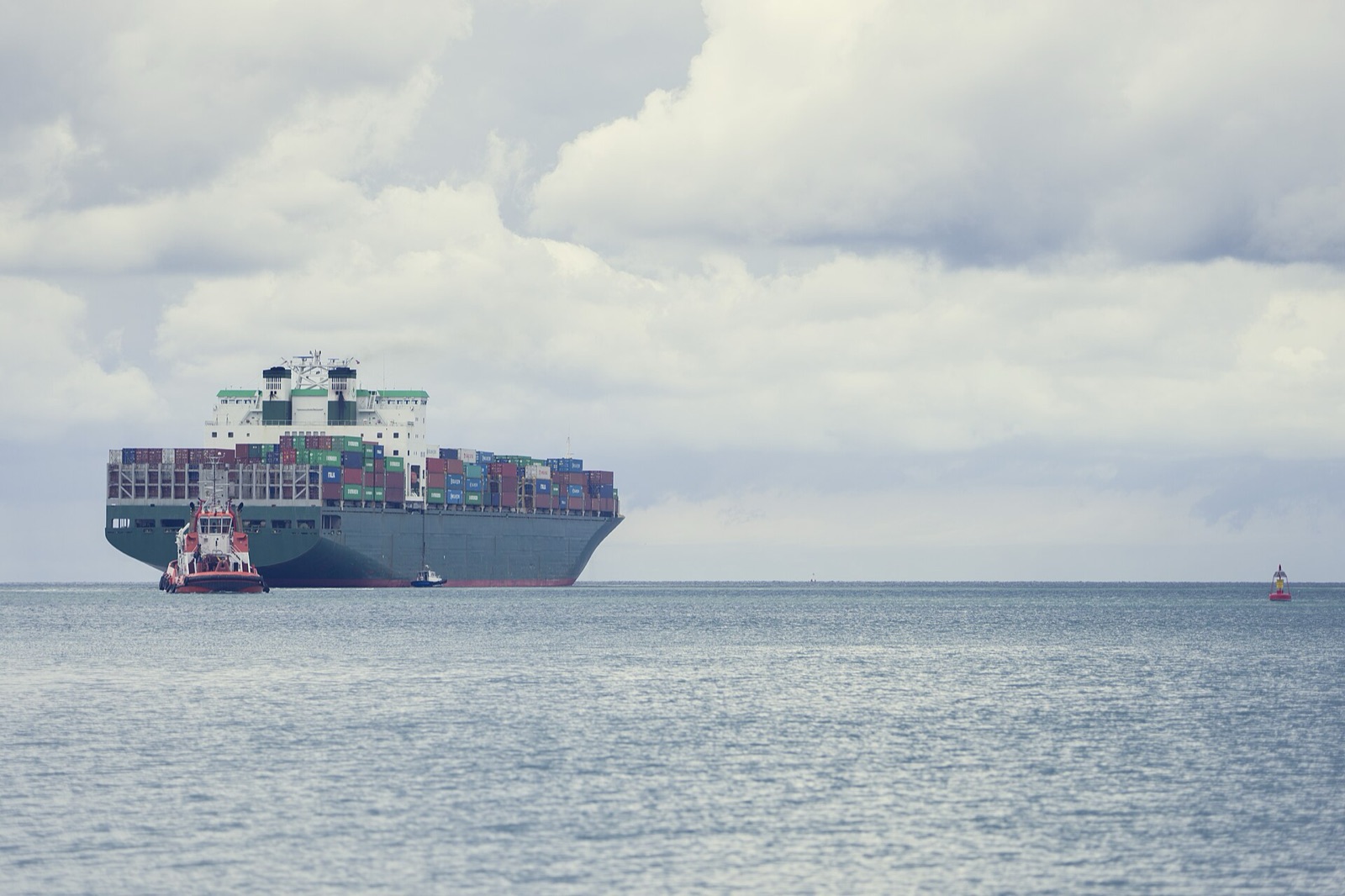
Importing toys from China to Saudi Arabia is a five-stage process: choose the factory and approve a sample, complete the compliance path for the Saudi market, produce and inspect, ship by sea or air, and clear customs at the port of arrival. Each stage carries its own risk, and a delay in one pushes everything after it. This article follows the journey of the shipment itself; choosing the right supplier is a separate subject.
Stage one: sourcing and sampling
The journey starts with an exact specification: material, dimensions, weight, age grading, pieces per pack, and the packaging format. The tighter the specification, the fewer surprises later. Then request a sample taken from actual production rather than a showroom piece, and approve it in writing as the golden sample against which production and inspection are measured. The main clusters for plastic, die-cast and RC toys sit in Chenghai, Shantou; Dongguan and Shenzhen handle items with more electronic content; and the Yiwu market offers variety at smaller quantities per item.
Stage two: the compliance path for the Saudi market
Products imported into the Kingdom go through the electronic conformity assessment system SABER, where the product is registered and the necessary product conformity certificate and then shipment certificate are obtained before arrival, through an approved conformity assessment body. Technical requirements for toys sit within the Gulf GSO standards framework and typically cover mechanical and physical properties, flammability, migration of heavy elements and plasticisers, alongside Arabic labelling and the Gulf conformity marking.
Regulatory details — which categories are covered, which documents are required, how registration works — change over time and vary by product. Do not treat this article, or any article, as the final authority. Confirm the requirements in force at the time of your shipment with a Saudi customs broker or the relevant authority.
The practical rule: start the compliance path during production, not after it. Preparing the test reports and technical file in parallel with the production line saves weeks.
Stage three: production and pre-shipment inspection
Two inspections are ideal: a during-production check once part of the quantity is finished, so that defects are found while they are still fixable, and a final pre-shipment inspection against an agreed AQL. The final check should cover conformity to the golden sample, packaging integrity, the accuracy of the Arabic label, pieces per carton, and carton weights and dimensions. Always tie the balance payment to the inspection result rather than to a date on the calendar.
Stage four: shipping lanes and ports
| Departure port in China | Best suited to | Arrival port | Notes |
|---|---|---|---|
| Yantian / Shekou (Shenzhen) | Pearl River Delta and Dongguan factories | Jeddah or Dammam | High sailing frequency, many carrier options |
| Nansha (Guangzhou) | Consolidating several Guangdong factories | Jeddah | Convenient for mixed containers |
| Shantou | Direct Chenghai shipments | Depends on the service | Often routed via a hub port |
| Ningbo / Shanghai | Eastern China factories and the Yiwu market | Jeddah or Dammam | The natural option when buying in Yiwu |
| Guangzhou / Shenzhen airports | Samples and small urgent orders | Saudi airports | Much faster; restrictions apply to battery-powered items |
The choice between FCL (full container) and LCL (consolidated groupage) depends on volume. A full container is simpler to clear and less exposed to handling damage and delay, while LCL suits smaller starts but adds steps at the consolidation warehouse and again at destination.
Stage five: customs clearance
On arrival, the broker submits the file: commercial invoice, packing list, bill of lading, certificate of origin, and the conformity documents. Duties are assessed on the customs classification and value of the goods, and the shipment may be selected for inspection. The most common cause of trouble is not a non-compliant product. It is a description that differs between two documents, a carton count that does not match the packing list, or a conformity document that does not cover every item inside the container.
How long does all of this take?
| Stage | Typical order of magnitude | What stretches it |
|---|---|---|
| Factory selection and quotations | Days | An imprecise product description |
| Sampling and approval | A week to a few weeks | New tooling or repeated revisions |
| Production | Weeks, depending on quantity | Peak season before holidays |
| Testing and compliance path | Runs in parallel if started early | An incomplete technical file |
| Sea freight to Saudi ports | Weeks, depending on service and transhipment | Indirect routing or seasonal congestion |
| Clearance | Days in a normal case | Document mismatches or physical inspection |
Always build a buffer before your selling season. Chinese New Year in particular halts production and shipping for a period every year and squeezes capacity both before and after it.
Why is this journey hard to manage alone?
- Factory verification needs a real site visit, not a video call.
- Negotiation and day-to-day follow-up happen in Chinese.
- Quality problems surface after payment unless there is independent inspection.
- Consolidating several factories into one container requires a warehouse and coordination inside China.
- Minimum order quantities fall for buyers with standing relationships across dozens of factories — not for a first-time buyer.
How we handle the journey for you
The China Toys has been doing this for more than 15 years, with 500+ vetted factories, importers served in 40+ countries, and 500+ containers shipped per year. We cover the full route: factory sourcing and vetting, price negotiation, quality inspection, OEM/ODM and private label, multi-factory consolidation, and sea and air freight with customs clearance. You work in quantities that fit your needs, with clear contract terms that protect you from surprises, you pay only a deposit, and within a few hours or days you receive offers from the best factories in the vetted factory network we work with.
Start here
Send your item list, quantities and arrival port to [email protected], or reach us on phone and WhatsApp at +8617702000155 or WeChat YOSRI 尤斯里. Office: Office 812-B99, 8th Floor, Annex Building, No. 188 Linhe Middle Road, Tianhe District, Guangzhou City, Guangdong Province, China.
Frequently asked questions
When should the compliance work start?
When production starts, not after it. Preparing tests and the technical file in parallel with manufacturing is the single biggest factor in shortening the total lead time.
Is air freight practical for toys?
It suits samples and small urgent orders, but toys are bulky relative to their weight, which makes sea freight the normal choice. Items containing lithium batteries are subject to separate transport rules.
Should I buy FOB or CIF?
FOB gives you more control over the carrier and insurance; CIF is simpler for a first-time importer. What matters is that the Incoterm and the named port appear explicitly in the quotation.
What happens if a shipment is held at arrival?
Most holds are documentary and are resolved through corrections and clarifications submitted by the broker. That is why data consistency across every document should be checked before the container leaves China, not after it arrives.