
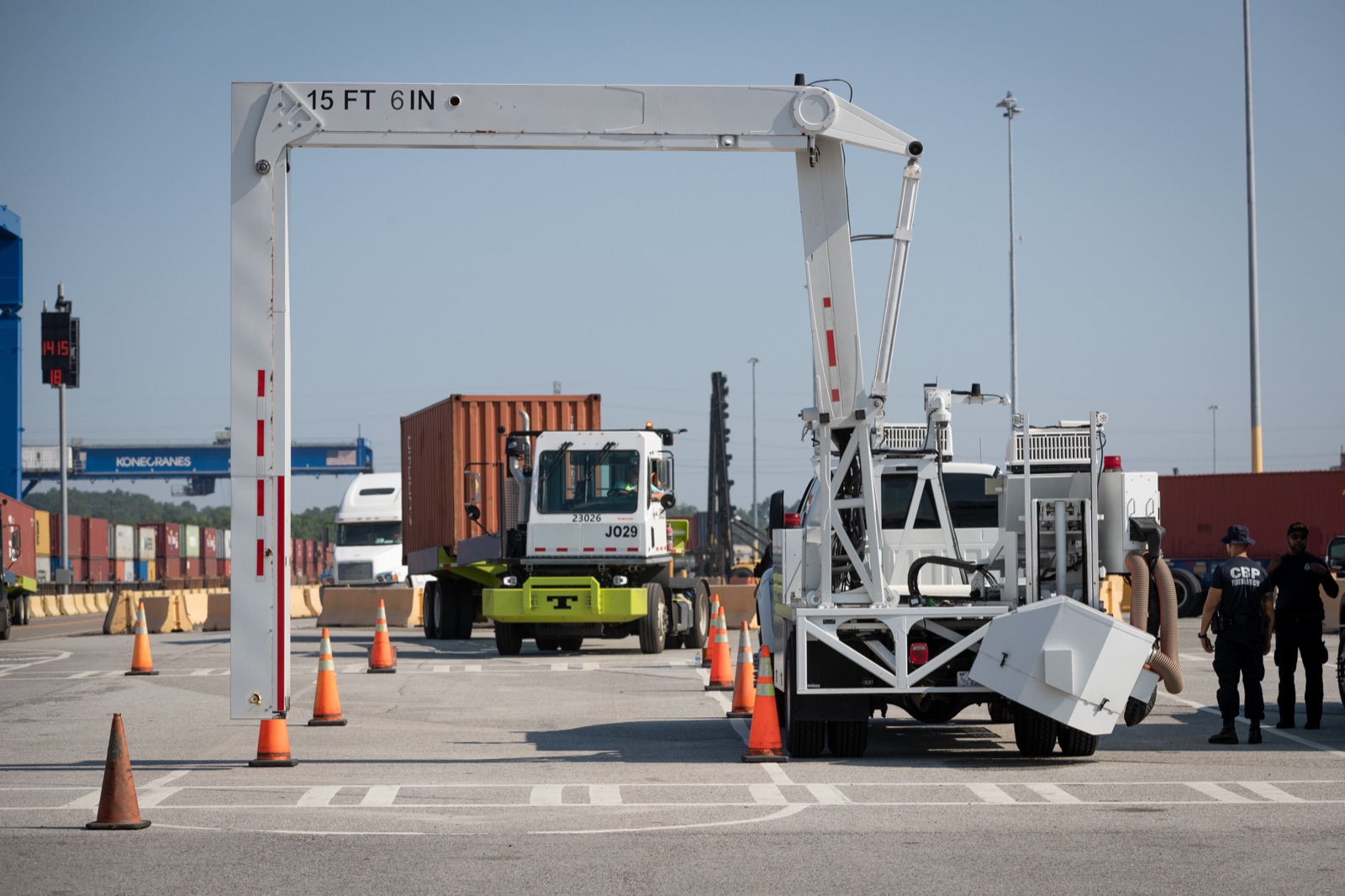
Clearing toy shipments in the GCC depends on three things that must be prepared before shipment, not after: proof of conformity under the Gulf technical regulation for toys based on GSO standards, Arabic content on the retail packaging, and an internally consistent document set comprising the Commercial Invoice, Packing List, Bill of Lading and Certificate of Origin. The six GCC states share a customs union and a common standards framework, but registration and enforcement differ country by country: Saudi Arabia works through the SABER platform, while the UAE, Qatar, Kuwait, Oman and Bahrain each have their own standards authority and electronic customs system.
What is GSO conformity marking for toys?
The GCC Standardization Organization (GSO) has adopted a technical regulation for toys that requires covered products to carry the Gulf Conformity Mark (G Mark) alongside safety requirements substantially aligned with the ISO 8124 series. The mark is granted through a body accepted by the relevant authority, on the basis of test reports and a technical file. Implementation details, enforcement dates and the exact label format can differ between member states and change over time, so confirm the current position in the destination country with your broker or conformity body rather than assuming.
Gulf-level conformity does not replace national requirements. Saudi Arabia additionally requires product registration on SABER and a Shipment Certificate of Conformity. Kuwait operates a national conformity assessment scheme that generally requires a technical report before shipment. In the UAE, conformity programmes are administered by the federal authority responsible for standards. Ask what each market specifically requires before you book the vessel.
What Arabic labelling is expected?
- Product name and description.
- Country of origin, clearly and permanently marked (Made in China).
- Name and contact details of the local importer or distributor.
- Age grading, and the "not suitable for children under 3 years" warning where small parts are present.
- Use warnings and battery-related warnings.
- Operating or assembly instructions in Arabic for electrical or assembled items.
Bilingual Arabic/English packaging is normally accepted. Adhesive labels are tolerated in some cases, but printing the Arabic content into the original artwork is always the lower-risk route: a sticker that covers other text or peels off invites additional scrutiny. Review the artwork before mass printing, because reprinting cartons is far slower and more expensive than fixing a file.
What documents does customs ask for?
| Document | Purpose | Most common problem |
|---|---|---|
| Commercial Invoice | Value, description, Incoterm | Generic description such as "toys" with no item detail |
| Packing List | Carton count, weights, dimensions | Counts or weights that do not match the Bill of Lading |
| Bill of Lading | Transport contract and cargo release | Consignee name not matching the commercial registration |
| Certificate of Origin | Proof of Chinese origin | Incomplete legalisation or mismatched invoice numbers |
| Conformity certificate or proof | Product safety compliance | Expired validity, or SKUs not covered by the certificate |
| Delivery Order | Release by the shipping line's agent | Issued late, after the vessel has already arrived |
The golden rule is that model numbers and item descriptions must match literally across every document and on the carton markings. Any small inconsistency invites inspection.
How do the main GCC ports differ in practice?
| Port | Country | Practical role |
|---|---|---|
| Jebel Ali | UAE | The region's largest transhipment and re-export hub, with free zones suited to multi-market distribution |
| Jeddah Islamic Port | Saudi Arabia | Main Red Sea gateway for western Saudi Arabia; usual choice for Jeddah, Makkah and Madinah |
| King Abdulaziz Port, Dammam | Saudi Arabia | Eastern Province gateway; also used for overland delivery to Bahrain and Qatar |
| Hamad Port | Qatar | Qatar's main container gateway, often served by feeder services from a hub |
| Shuwaikh / Shuaiba | Kuwait | Principal import ports; conformity assessment is normally completed before shipment |
| Sohar / Salalah | Oman | Salalah is a major transhipment hub; Sohar is closer to Muscat for inland distribution |
In practice, a direct service from Shenzhen/Yantian or Ningbo to Jebel Ali or Jeddah is faster and more predictable than a routing that requires transhipment. When shipping to a smaller port, budget extra days for the feeder leg and extra buffer on documents.
What causes containers to be held?
- Incorrect HS classification — the leading cause of revaluation and delayed release.
- A missing or expired conformity certificate for a single SKU inside a consolidated container.
- Packaging with no Arabic content, or missing age grading and small-parts warnings.
- Suspected trademark infringement. Licensed characters and lookalike designs are among the most frequently detained goods in the toy category. Carry your licence documentation.
- Undeclared batteries, especially lithium cells shipped without UN38.3 documentation and correct packing declarations.
- Radio-controlled toys requiring type approval from the destination country's telecom regulator.
- Restricted content, such as realistic replica weapons or designs that conflict with local rules.
- Discrepancies between invoice, packing list and Bill of Lading on weights or package counts.
How can importers reduce the risk of delay?
Freeze the SKU list early. Get HS codes confirmed by your broker before production, not after loading. Approve packaging artwork and Arabic content before mass printing. Run a pre-shipment inspection to an agreed AQL level that explicitly checks labels, barcodes, warnings and conformity marks, not only product function. Send the full digital document set to your broker when the vessel sails, not when it arrives. And if you consolidate several suppliers, treat certification status as a loading gate: no SKU enters the container until its paperwork exists.
At The China Toys we handle this stage daily for importers in more than 40 countries, across 500+ containers a year. We check that documents match the actual container contents, verify Arabic label content and conformity marks before printing and packing, and consolidate goods from several factories into one container under a single clean document file. Our office is at Office 812-B99, 8th Floor, Annex Building, No. 188 Linhe Middle Road, Tianhe District, Guangzhou City, Guangdong Province, China.
Frequently asked questions
Is a Saudi SABER certificate valid in the other GCC countries?
No. SABER is a Saudi system tied to a registered Saudi importer. The other GCC states operate their own national conformity assessment routes even though a common Gulf standards framework exists. Plan each market separately.
Can I import toys through Jebel Ali and re-export to Saudi Arabia?
Yes, and this is a common regional distribution model using the free zones. However, entry into Saudi Arabia still triggers the full Saudi requirements, including SABER registration, a Shipment Certificate of Conformity and Arabic labelling. Re-export removes none of those obligations.
Is an Arabic sticker on English packaging enough?
It is sometimes accepted, but it raises the chance of inspection and creates a problem if the label peels off or covers other required information. Printing the Arabic content into the packaging artwork from the start is the safer and cheaper route.
What must be ready before the vessel arrives?
Valid conformity certificates covering every SKU, a confirmed HS code per item, a consistent document set, a signed authorisation for your customs broker, and readiness to obtain the Delivery Order immediately. Days lost after arrival convert directly into demurrage and detention charges.