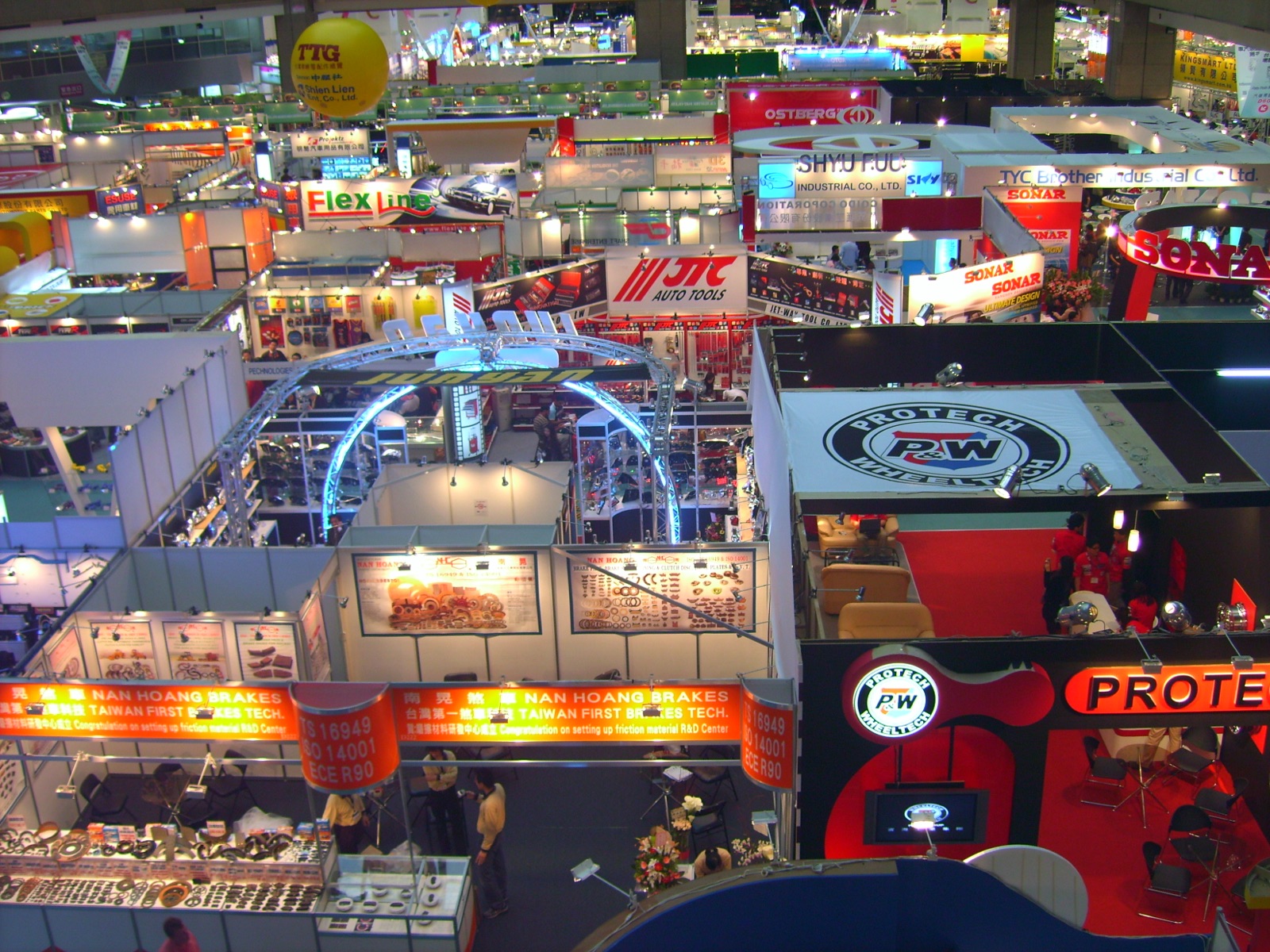
Toys at the Canton Fair (China Import and Export Fair, Guangzhou) are shown in Phase 2, the middle phase of each session, alongside gifts, home decoration and consumer goods. The fair runs twice a year — spring and autumn — and Phase 2 typically lasts about five days. If you fly in for Phase 1 or Phase 3 you will find electronics, machinery, textiles and shoes, but very few toy exhibitors. Confirm the phase dates on the official schedule before booking, because the fair authority adjusts the calendar from session to session.
Which fairs matter for toy buyers?
The Canton Fair is the widest net, but it is not the only one. Serious toy importers usually combine it with one or both of the following:
- Canton Fair, Phase 2, Guangzhou — the broadest range of Chinese toy manufacturers and traders under one roof, strong in plastic toys, die-cast, ride-ons, outdoor and party goods.
- Hong Kong Toys & Games Fair (January) — the most international toy-specific show in the region, heavier on licensing, design and brand buyers. Easier visa access for many nationalities.
- China Toy Expo, Shanghai (October) — the domestic-facing toy show, useful for spotting what is selling inside China and for meeting larger branded manufacturers.
Chenghai (Shantou), the plastic-toy heartland, does not have a fair of the same scale — buyers reach those factories by visiting the cluster directly or through a partner already in China.
How should you prepare before you go?
Almost every buyer who comes home empty-handed made the same mistake: they arrived without a defined brief. The fair is not a place to decide what you want; it is a place to test whether what you want can be made at the terms you need.
| When | What to do |
|---|---|
| 3–4 months before | Apply for the buyer badge and the business visa. Book hotels early — Guangzhou fills up during fair weeks. |
| 2–3 months before | Write the product brief: categories, target age group, packaging type, target market and its safety standard (EN 71, ASTM F963, GSO/SASO). |
| 6–8 weeks before | Pre-search exhibitors in the online exhibitor directory. Shortlist 40–60 stands and map them by hall. |
| 4 weeks before | Email the shortlist. Ask for catalogues in advance and request a stand appointment with a specific time. |
| 2 weeks before | Print bilingual company cards, prepare a one-page buying profile, and set up WeChat — it is how China follows up. |
| During the fair | Work by hall, not by wandering. Log every stand the same evening while details are fresh. |
| Week after | Send structured RFQs within five working days. After that, you are competing with the next fair. |
How do you work the halls efficiently?
Phase 2 is enormous. A realistic pace is 25–35 meaningful stand conversations per day, and only if you are disciplined. Start at the far end of a hall and work back, so you are not fighting the crowd at the entrance. Keep the first conversation to five minutes: category, capability, MOQ range, main export markets, and whether they own a factory. If two of those answers fail your brief, move on politely.
Bring a small camera or use your phone, but always ask before photographing a stand — many exhibitors refuse, and design copying is a real concern for them. Collect catalogues digitally where you can; paper catalogues become twenty kilograms of excess baggage by day three.
How do you tell a factory from a trading company on the stand?
Both are legitimate, and a good trading company can be genuinely useful. But you should know which one you are talking to, because it changes your pricing, your MOQ and your control over quality. Useful signals:
- Ask where the factory is, then ask a follow-up. A factory person names the town — Chenghai, Dongguan, Yunhe, Ningbo — and can answer how many injection machines or production lines they run. A trader answers vaguely or names several unrelated cities.
- Look at category spread. A stand showing plush, die-cast, ride-ons and puzzles together is almost certainly a trading or export company. Factories specialise narrowly.
- Ask about tooling. A real manufacturer will discuss mould ownership, cavity counts and lead time for new tooling without hesitation.
- Ask who holds the test reports. Factories hold EN 71 or ASTM F963 reports in their own name; traders often show reports issued to a third party.
- Check the business licence scope if they show it — manufacturing and pure trading are described differently on the licence.
What should you collect — and what should you promise?
Collect: the business card, the factory location, the product codes you liked, photographs of the samples you discussed, the stated MOQ, the packaging options, and the export markets they already serve. Note the person's name and their WeChat ID, not just the company's.
Promise nobody anything on day one. No signed order sheets, no deposits at the stand, no exclusivity commitments. Fair-week pressure is real, and prices quoted at a stand are opening positions, not final terms. Everything that matters — quantity breaks, payment structure, inspection rights, tooling ownership — is negotiated afterwards in writing.
What turns business cards into orders?
Follow-up discipline. Within five working days, send each shortlisted supplier the same structured request: product code, quantity, packaging, target market and safety standard, required certification, delivery port and Incoterm (FOB, CIF). Identical requests make replies comparable; freeform emails do not. Then narrow to three or four suppliers, request samples, and only then discuss commercial terms in detail.
Be honest about the cost side of attending. Flights, hotels at fair-week rates, visa, badge, interpreters and a week away from your own business add up, and it is a cost you carry whether or not you place an order. Many experienced importers attend once to understand the market, then let a representative already in China do the walking for every session afterwards.
Why buyers work with The China Toys
The China Toys is based in Guangzhou, minutes from the fairgrounds, and has spent more than 15 years doing exactly this work. We attend the toy phases every session, we already know which exhibitors own their factories and which resell, and we maintain 500+ vetted factories in our network, serving importers in 40+ countries and moving 500+ containers per year.
That means you do not have to fly in to get fair-floor access. Send us your brief and, within a few hours or days you receive offers from the best factories — in quantities that fit your needs, because standing relationships with many factories lower MOQs that a first-time buyer cannot move alone. We negotiate in Chinese, verify the factory physically, write clear contract terms that protect you from surprises, inspect against AQL standards before the balance is paid, and consolidate multiple factories into one container with sea or air freight and customs clearance handled.
Talk to us before the next fair
Tell us the categories, the target market and the quantities you have in mind, and we will do the hall work for you — or walk it with you if you are coming. Email [email protected], WhatsApp +8617702000155, or WeChat YOSRI 尤斯里. Our office: Office 812-B99, 8th Floor, Annex Building, No. 188 Linhe Middle Road, Tianhe District, Guangzhou City, Guangdong Province, China.
Frequently asked questions
Which Canton Fair phase covers toys?
Phase 2. Toys are grouped with gifts, home decoration and consumer goods in the middle phase of each session. Always confirm the exact dates on the official fair schedule, as the calendar shifts between sessions.
Do I need a visa and a badge to attend?
Most foreign buyers need a Chinese business visa plus a Canton Fair buyer badge, which can be applied for online in advance or collected on site. Requirements vary by nationality and change over time, so check the current rules with the Chinese embassy in your country well before you travel.
Can I place an order at the stand?
You can, but you should not. Stand quotations are opening positions and rarely include the packaging, certification and inspection terms that decide your real landed cost. Collect information at the fair and negotiate afterwards in writing.
Is attending the fair necessary to source toys from China?
No. The fair is a fast way to see many suppliers in one week, but the same factories can be reached year-round through a sourcing partner based in China who already visits and vets them. Many importers attend once for market understanding and then source remotely.